Hot and cold therapy sounds modern, but the practice behind it is ancient.
Long before “biohacking” and performance metrics, people used heat and cold to recover, reset, and reconnect — not just physically, but mentally too.
This guide explains hot and cold therapy (also called contrast therapy) in a practical, non-hypey way that makes sense for real life in the UK.
What is hot and cold therapy?
Hot and cold therapy involves alternating between heat (like a sauna) and cold (like cold water immersion). The contrast creates a gentle stress that encourages the body to adapt over time.
There isn’t one perfect protocol. The best approach is the one you can repeat safely and consistently.

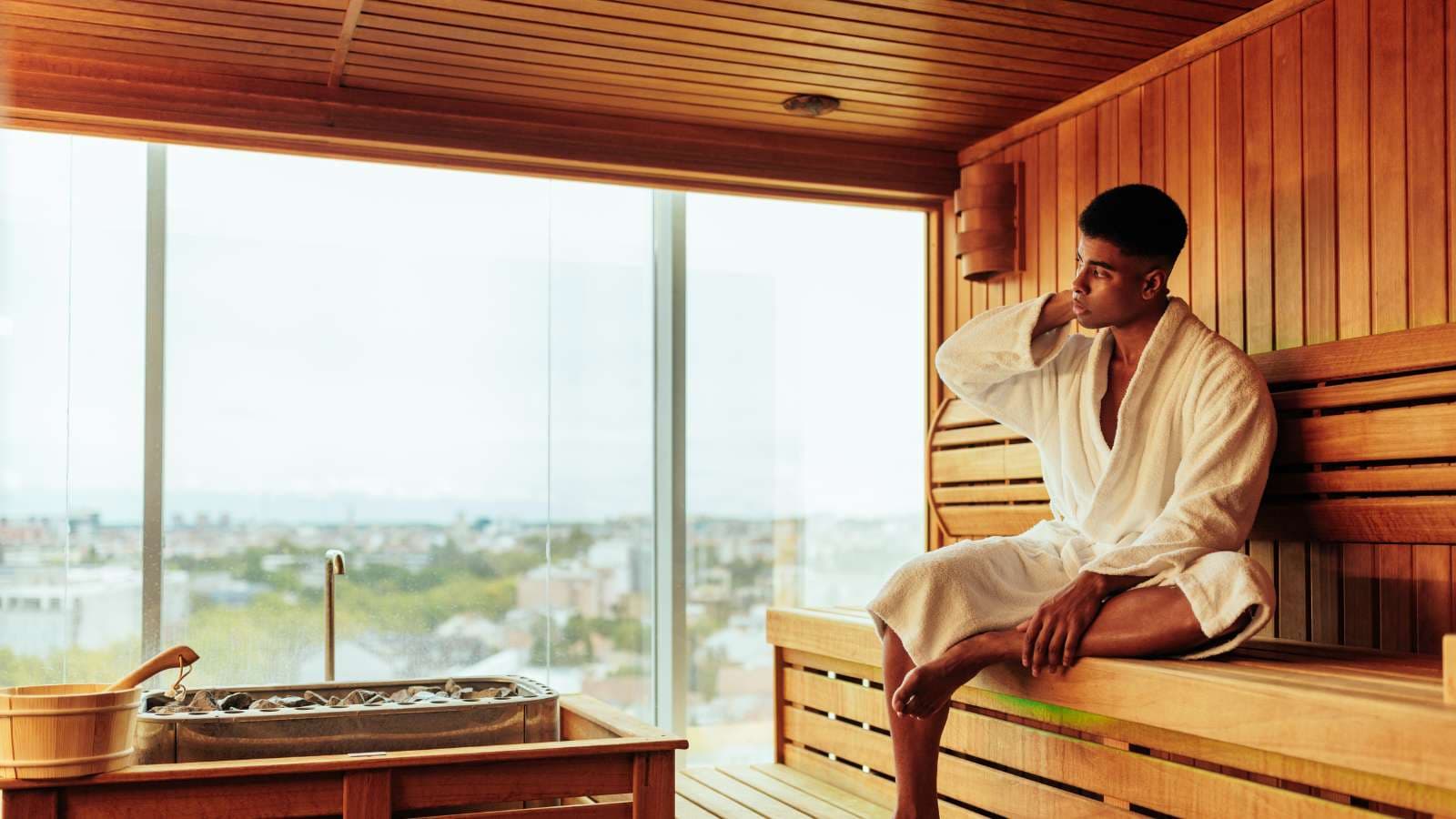
How sauna supports recovery
Sauna tends to do three things very well:
- encourages muscle relaxation,
- supports circulation,
- helps the nervous system downshift.
That’s why sauna is often used for recovery — but it’s also why people use it for stress relief and sleep quality. You don’t need to be training hard to benefit from warmth and stillness.
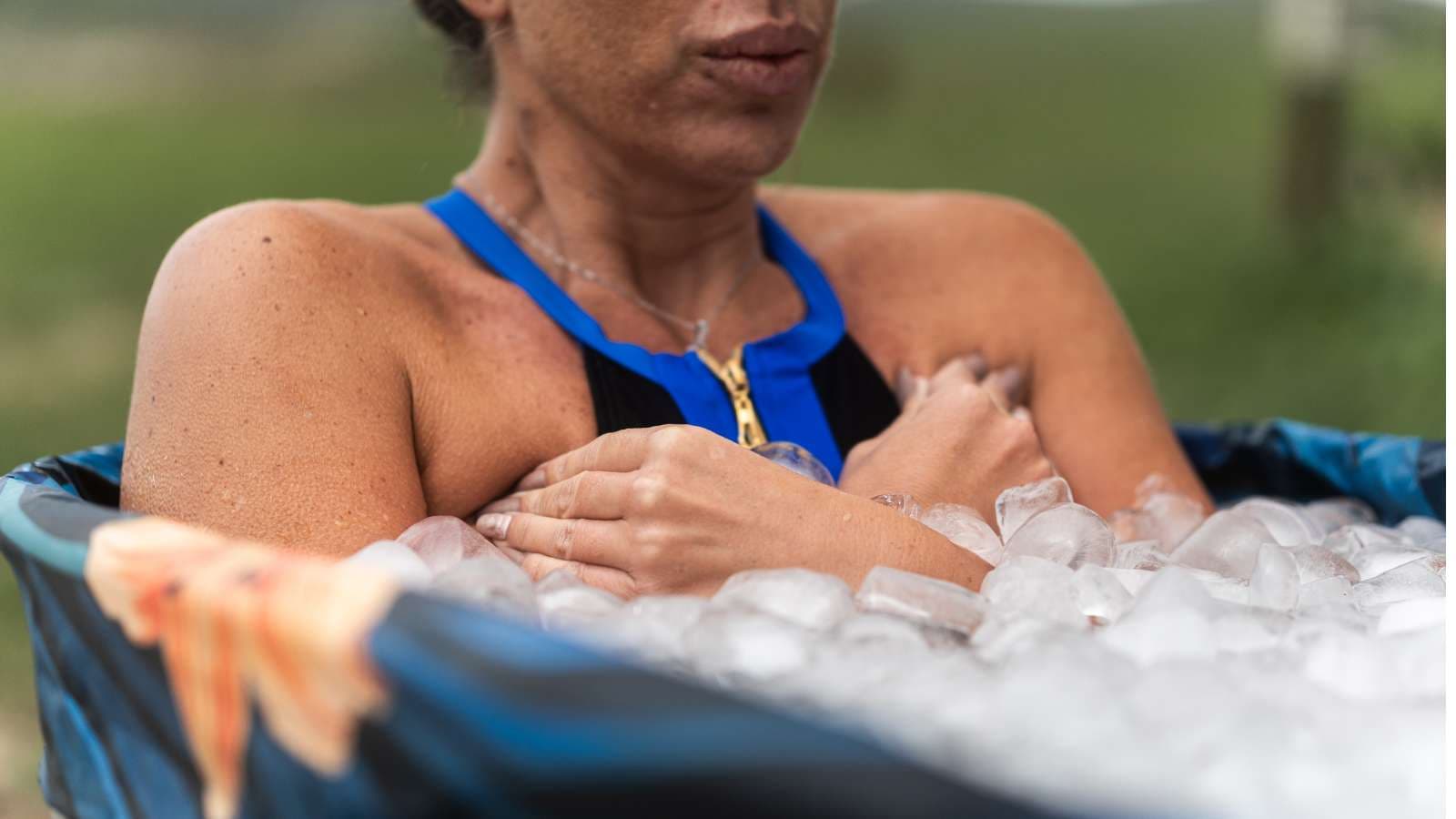
What cold water adds
Cold water is different. It’s immediate and honest.
Your breathing becomes the priority. Your mind can’t wander far. Done gradually, cold water can build resilience and confidence — because you’re practising calm inside intensity.
Cold water isn’t about “toughness”. It’s about learning to meet discomfort without panic.

Why contrast works
Heat and cold create a simple rhythm:
- heat softens,
- cold sharpens,
- rest integrates.
When done well, you come out feeling clearer and calmer — not smashed.
In practice, many people experience contrast through sauna and wild swimming, where heat and cold are naturally paired outdoors.
Recovery beyond sport
A lot of content frames hot and cold therapy as an athletic tool. It can be — but it’s also for normal people living normal lives.
People use sauna and cold water to support:
- stress management,
- better sleep,
- mood and mental clarity,
- consistent weekly ritual,
- connection and community.
In many ways, community is part of recovery. Shared spaces regulate us.
Safety basics (the stuff that matters)
Start gentle
If you’re new, keep cold exposure short and calm. The goal is controlled breathing, not a record.
Warm up slowly afterwards
A common mistake is trying to “blast” warm immediately. Layer up, move gently, and let your body come back naturally.
Avoid extremes and forcing it
If you feel dizzy, numb, panicked, or confused — stop. The best practice is the one you can do repeatedly and safely.
Learn in community spaces
If you’re unsure, go with others or use established sauna + swim venues. Safety improves massively when you’re not figuring it out alone.
The bigger point
Hot and cold therapy isn’t a hack. It’s a practice.
These ideas are rooted in long-standing traditions — our article on sauna culture in the UK explores the cultural foundations behind modern practice.